Catharsis was born from lived experience long before it became a practice.
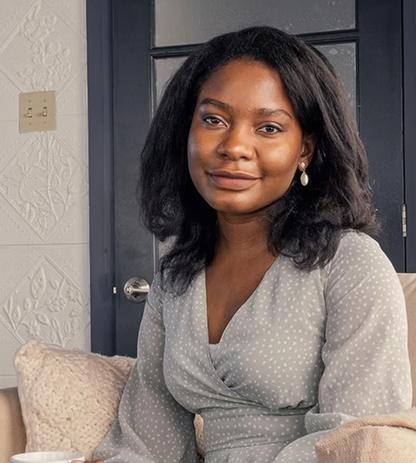
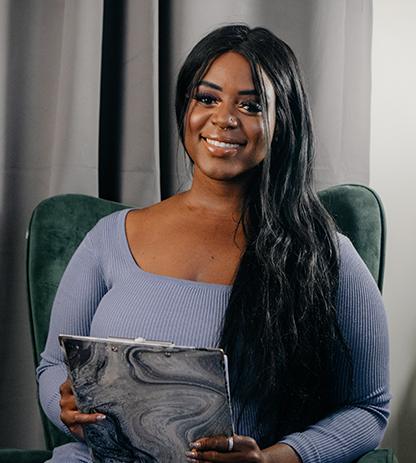
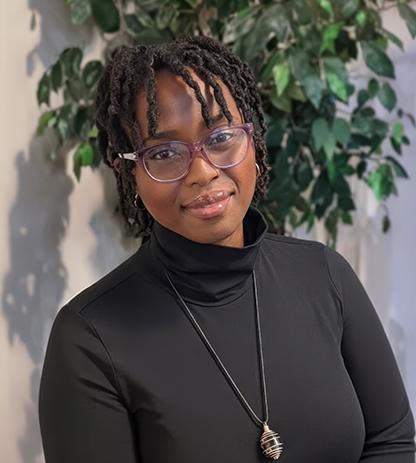
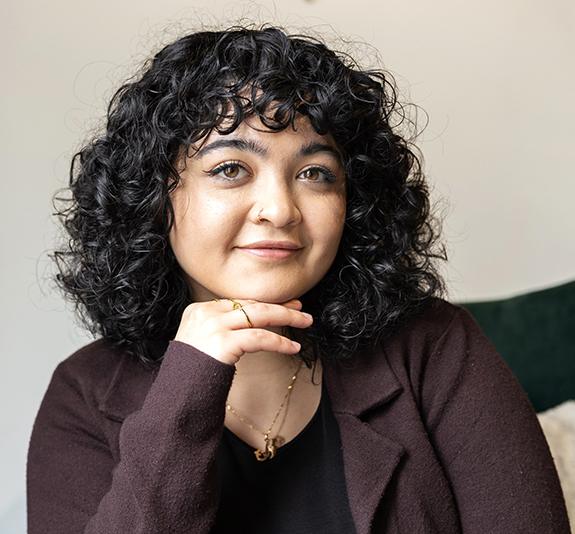
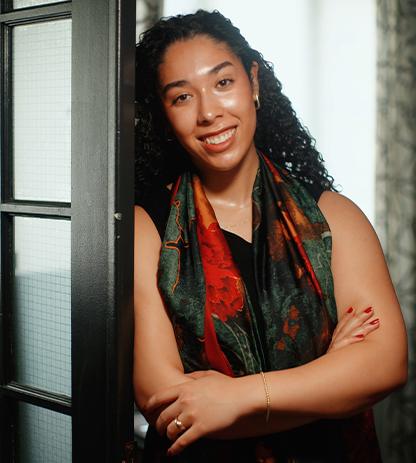
We, Karoline and Nereah are two Haitian women who grew up understanding, very early, that emotional pain often lived quietly in families like ours. In many spaces we came from, strength was expected, survival was prioritized, and mental health was not always something openly named, explored, or supported. Like many people raised in communities shaped by resilience, sacrifice, migration, and silence, we learned that suffering could be present even when no one had language for it.
At the same time, we both knew, even before we had the words for it professionally, that people needed spaces where they could breathe, speak, unravel, and be met with care.
We met in our second year of university, and from that point forward, something meaningful began to take shape. Alongside a close circle of Black women and friends we called The Squad, we built community around conversation, honesty, laughter, challenge, and a shared desire to understand ourselves and the world more deeply. Even then, there was a common thread running through our friendship: a belief that healing and advocacy belonged together.
Over the years, that belief only deepened.
As Black women, we know what it means to move through systems that do not always see the fullness of who you are. We know what it means to carry responsibility, expectation, and silence while still trying to remain whole. Nereah also brings the lived experience of navigating the world as a queer woman, which further shapes the understanding that identity is never separate from emotional wellbeing. For many people, especially those who have been marginalized, healing is not simply personal, it is deeply relational, cultural, historical, and at times political.
That is why Catharsis was never meant to be just a clinic.
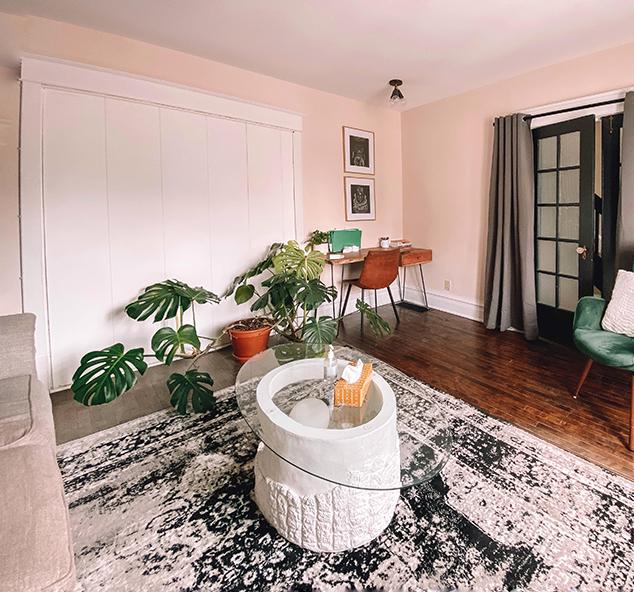
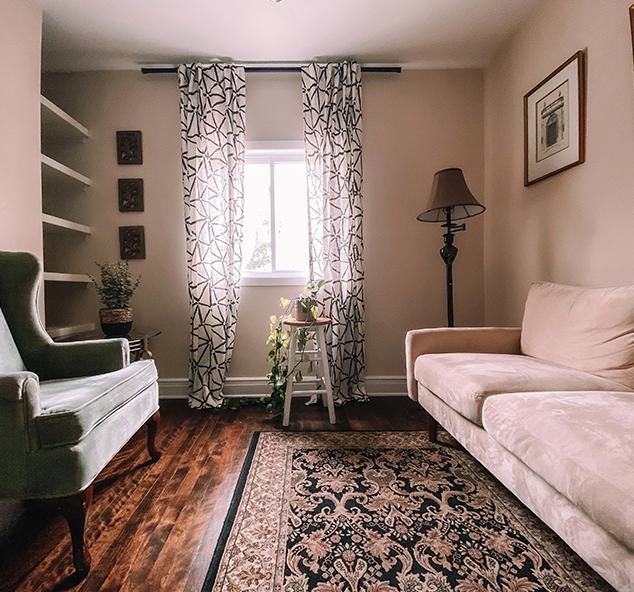
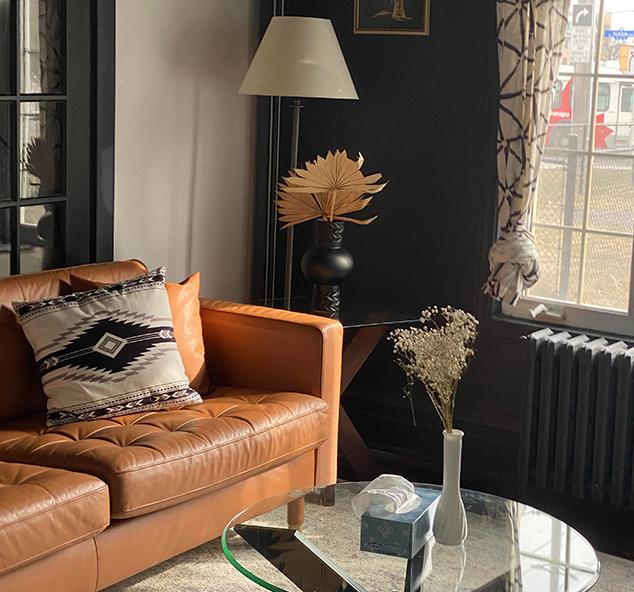
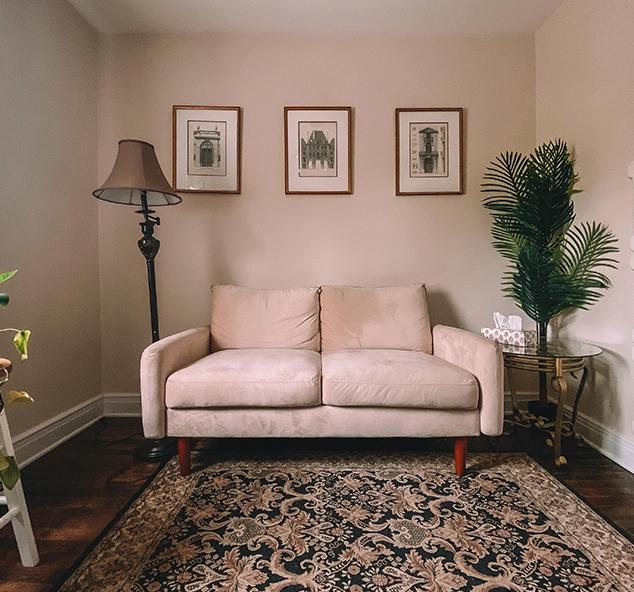
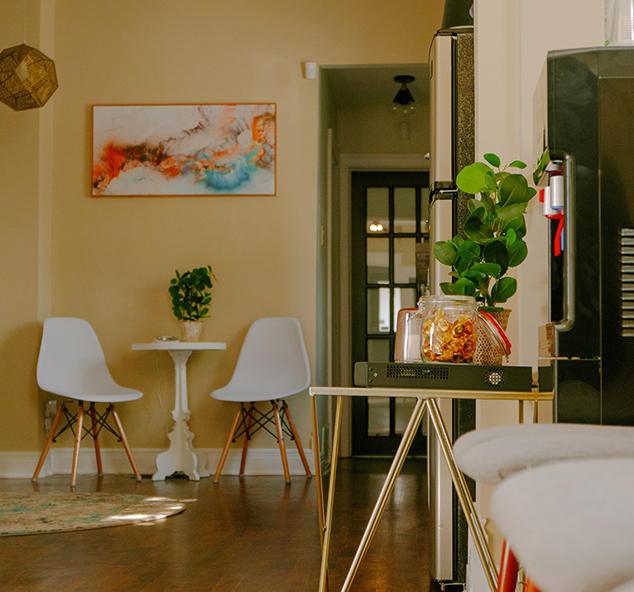
It was built as a place where people could arrive with the parts of themselves they have had to hide, over-explain, protect, or carry alone. A place where complexity is welcome. A place where pain does not need to be minimized to be worthy of care. A place where being understood can begin to soften what survival has hardened.
We believe therapy can be a deeply human act of restoration.
For some, it is the first time they are listened to without being interrupted. For others, it is the first time their grief, identity, trauma, fear, or longing is held without judgment.
For many, especially those whose stories have not always been centered, therapy itself becomes an act of reclaiming space.
A quiet refusal to disappear.
A decision to heal in a world that has not always made healing easy.
To us, therapy is resistance.
Healing is resistance.
And creating spaces where people are allowed to become more fully themselves remains at the heart of why Catharsis exists.























 English
 French
 Haitian Creole
 Nepali
 Native Lingala